Author name: Hassam Sohail

Uncategorized

Causes and Symptoms of Keratoconus

Keratoconus is an eye condition in which the shape of the cornea starts getting thinner and gradually gets a cone shape. The formation of this cone-shaped cornea can affect the eyesight of both eyes big time, and you may face blurred vision. Keratoconus usually occurs among people above 30. In the early stages, there are more chances to fix the issue with contact lenses and glasses. In some situations, you may have to get scleral lenses or gas-permeable lenses to prevent the damage. The corneal transplant is the last option that doctors suggest if the condition can not be cured. Many doctors follow the procedure known as corneal collagen cross-linking. It helps stop the keratoconus from growing and avoid surgery. This treatment can be offered according to the patient’s condition. Symptoms There are some symptoms of keratoconus that you must know about so you can take timely measures before it gets worse. One of the most common symptoms is blurred vision, as you will start facing difficulty in seeing things clearly. Another symptom is that your sensitivity will be increased to glare and bright light. It may make it difficult for you to drive a car at night. On the other hand, if you frequently change prescription eyeglasses, it can also be a sign of keratoconus. Causes There is no particular cause of keratoconus. There are different environmental and genetic factors involved which can be its cause. According to a research study, 1 in 10 people have keratoconus. Complications of Keratoconus There are different complications that can occur due to keratoconus. Your cornea will start swelling quickly and you may feel reduced vision. It also affects the lining of the cornea, and it can cause fluid to enter the cornea. The continuous swelling affects your vision. Risk factors of Keratoconus One of the common risk factors of keratoconus is the family history. If one of your parents had keratoconus, then you need to be careful. Also, if you frequently rub your eyes or feel irritation in your eyes, then you must take it seriously as well. Some conditions can also be the risk factors for keratoconus, including Ehlers-Danlos syndrome, hay fever, and retinitis pigmentosa. Right Time to Consult Doctor If your eyesight is continuously reduced with time, then you must see your doctor without wasting any time. It can be due to the irregular eye curvature, which is known as astigmatism. Your eye doctor will look for the keratoconus symptoms during the examination. Treatments for Keratoconus Treatment options for keratoconus vary according to the severity of the condition. Your eye care professional can assist you in determining which, if any, of these therapies could be beneficial. Corneal crosslinking, corneal transplantation, implantable ring segments, eyeglasses, and contact lenses are among the available treatments. Normal eyeglasses or soft contact lenses can be used to correct vision in the early stages of the condition. Glasses may not be able to correct your eyesight as keratoconus worsens due to the increased uneven astigmatism. You might require a certain kind of hard contact lens. If your keratoconus is advanced, your doctor might advise you to have a corneal transplant. Your damaged cornea will be replaced with corneal tissue from a human donor. After a transplant, persons with keratoconus typically have better vision, however stabilization of vision can take longer than a year. After the transplant, some patients might still require a specialized contact lens in order to get optimal vision.
Uncategorized

Best Ways to Take Care of Contact Lenses

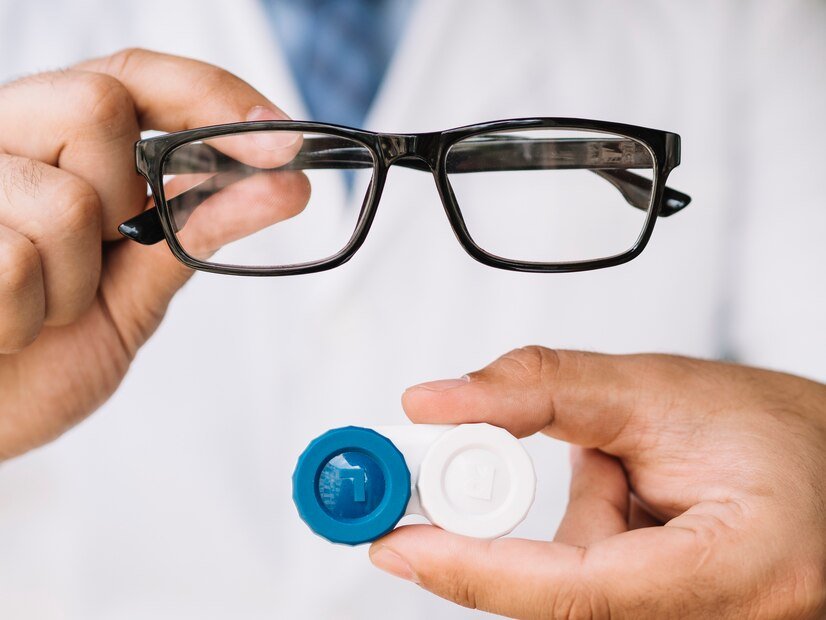
If you wear contact lenses, then you must know how to maintain and take best care of them. If you are not keeping your contact lenses clean, you can get an eye infection that can cause serious complications. You have to properly store the contact lenses, which can help you keep them in the perfect shape and you can see clearly without any discomfort. Once you remove the contact lenses, you must disinfect them with the right cleaner. You can consider different cleansing methods to clean your lens. If you have an allergy, you may ask the doctor to recommend you the right cleaning solution. Follow the Right Process for Cleaning Lenses There are certain steps that you need to follow to keep your lenses clean. Firstly, you have to follow the instructions provided by your eye doctor regarding when to change and wear your lenses. To clean and store your contact lenses, follow the instructions provided by your physician, the contact lens manufacturer, and the manufacturer of the cleaning solution. Read instructions to determine if you need to re-disinfect your lenses before wearing them if you store them in the case for an extended period of time. If your contact lenses have been kept in storage for more than 30 days, you should always re-infect them before wearing them. Another thing you must remember is to keep your appointments for eye exams. Your cornea might change the shape over time. See your eye doctor on a frequent basis to ensure that the prescription is appropriate for you and that your lenses fit well. When wearing contacts, avoid taking a shower, swimming, using a hot tub, and any other activity where water could get in your eyes. Contacts and water must not get mixed. Most importantly, never go to sleep wearing contacts. Maintain a clean contact lens case. After giving it a quick rinse with sterile contact lens solution (as opposed to tap water), let the empty case air dry. If the case gets cracked or broken, replace it immediately or at least every three months. How to Clean Contact Lenses There are certain factors that you must consider while cleaning contact lenses. Before handling your contact lenses, wash your hands with soap and water and pat dry with a lint-free towel. Regardless of the kind of lens cleaning solution you choose, always use the “rub and rinse” cleaning technique. Clean your fingers, give your contact lenses a quick rub, and then rinse them with a solution before soaking them. Even if the solution you are using is a “no-rub” type, use this procedure. Never wet contacts by placing them in your mouth. Spit, or saliva, is not a sterile substance. Contacts should not be cleaned or kept in sterile or tap water, and a homemade solution of saline should never be used. It is also recommended that you use the new solution every time you clean and disinfect contact lenses. Never reuse the old solution, as it can damage the lenses. Risks of Using Contact Lenses Old or poorly fitting contact lenses can cause scratches on your eyes. Additionally, they may result in the formation of harmful blood vessels that risk your vision by growing into your cornea. Your contact lenses may experience issues if you use eye drops. When using contacts, it is preferable to stay away from applying any form of eye drop. As advised by your eye doctor, you can use lubricating drops without preservatives or wetting drops.

Uncategorized

Low Vision Aids: A Complete Guide

Low vision aids are known as devices that help people with vision issues restore their vision so they can see clearly and do daily life tasks easily. These devices are designed to make near and far objects bigger and brighter so people with different vision issues can see everything clearly. These devices help to improve the vision contrast and they are categorized into non-optical and optical. According to a statistical study, there are around 2.2 billion people who face visual impairment. Out of 2.2 billion people, many could have avoided vision impairment by taking timely measures. Some may require minor surgeries, or some just require the right prescription eyeglasses. Therefore, timely intervention is important to avoid complications and to make diagnoses on the right time. Different Types of Low Vision Aid It is essential to know about different types of low vision aids, so you can choose the right device according to your requirements. One of the most common types of low vision aids is magnifiers that have cameras or lenses to make objects look bigger and clearer. Some other products may use contrast or color to help patients see easily and clearly. Other items like anti-glare spectacles and reading stands also fall under this category. You can also consider large-printing playing cards, which are known as leisure products, but you need to consult your doctor first. Magnifiers Magnifiers help to increase the image size of the specific object by using specialized lenses. They are available in multiple lenses, such as telescopic monoculars, or single lenses, such as handheld magnifiers. Once you start facing difficulty in reading and it can not be resolved with typical spectacles, you must get a low vision assessment. It is not difficult to learn how to use magnifiers with low powers, so using it will not be an issue for you. It is suggested that you use a low level of magnification to perform your desired activities easily. Let’s learn about the different types of magnifiers. Handheld Magnifiers It is one of the most commonly used magnifiers. The apparatus has a handle, and the lens is held away from the object. Many handheld magnifiers come with built-in lights. Some are small enough to fit in a pocket; these are especially helpful for outdoor chores like shopping. There is an extensive selection of handheld devices with varying magnification. To keep the proper distance between the lens and the text, these are made to stand on the page. There is a large range of magnification available in these magnifiers. Certain low-powered models have a stand that is enough to accommodate a writing pen underneath. They also have batteries installed in them or be plugged in. Brightfield Magnifiers These magnifiers are designed like paperweights or rulers, and they are dome magnifiers. To read a line of text, place the magnifier flat on the page and slide it across. They can be used in conjunction with other magnifiers, although they are only offered at lower magnification levels. Because a bar magnifier only enlarges in one direction, text width remains constant while letters get taller. This makes it possible to view many words at once. Causes of Low Vision The causes of low vision are different types of eye disorders or complications. Let’s find out about them. Macular Degeneration In this condition, an individual experiences a loss of central vision, and you may build a blurry spot in the central vision field. It usually occurs in people who are above 50. Refractive Errors Refractive errors affect the eye’s shape and can cause farsightedness or nearsightedness issues. These problems can be corrected but it is important to take timely measures. Trachoma It is a bacterial infection that can affect eyes and it is one of the primary causes of vision loss across the world. Cataracts Cataracts is a condition that usually older adults experience. A cataract is a cloud that gradually develops on the eye lens due to aging. It requires surgery to remove the cataracts. Glaucoma This condition affects the optic nerve of the eyes and peripheral vision. It requires timely treatment to fix this issue or else it can cause irreversible damage.

Uncategorized

Scleral Lenses: Everything You Need to Know About It

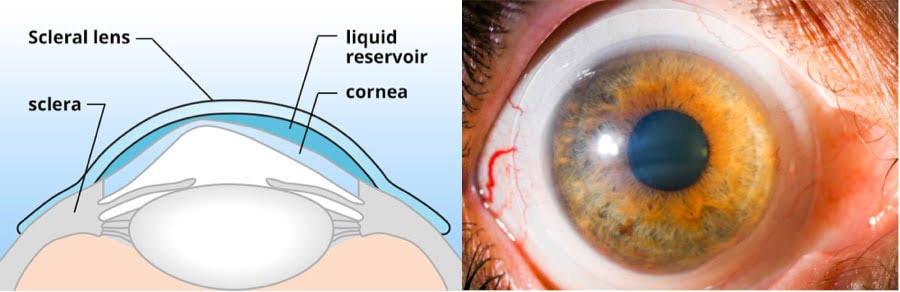
Scleral lenses have a large rigid surface that is custom-built according to the demands of each patient. To get these lenses, you require a proper assessment from an eye specialist with proven experience. You can only get scleral lenses once a licensed doctor prescribes them. These lenses are firm and sharp and are used to correct vision, which may occur due to refractive error or other eye disorders. You can use these lenses to fix different issues such as nearsightedness, distorted vision, farsightedness, or issues with near vision, which may occur due to aging. Scleral lenses are made of gas-permeable materials. It helps oxygen to pass through the cornea which helps in vision correction. If your cornea size is abnormally shaped, you may consider scleral lenses perfect. You can also use them after surgery after consulting your eye specialist. Scleral Lenses Contact Solution You have to use a particular solution for scleral lenses that helps you maintain and store the lenses. You must not use water or detergent to keep these lenses. This solution helps to clean and disinfect lenses, so it increases their longevity. It is advisable to use these solutions every three months which helps to maintain lenses in their original shape. Using other solutions not only damage lenses but can also affect your eyes and cause discomfort and irritation. Ask your doctor to recommend the best cleaning solution for scleral lenses. A neutralizer solution is a perfect option for maintaining lenses, as it is completely safe and also gives comfort to the eyes. It is recommended to keep lenses in the solution for at least six hours to get the best possible results. How to Put On Scleral Lenses You must know that the procedure for putting in scleral lenses is different from other lenses. Scleral lenses are built to have a reservoir to keep fluid. It helps keep the cornea moist so you do not feel any discomfort.  The first thing you need to do before putting on the lenses is to properly wash your hands with water and soap. After doing this, fill the lenses with a solution and ensure that there are no bubbles in the lenses. Once the lens is full, it means you can put it in your eye. If you have not worn the lenses before, then it would be better to get help from an eye expert. How to Take Care of Scleral Lenses Your scleral lenses are your most valuable tool, so you need to take the right measures to take the best care of it. One of the first things that you need to consider to take care of the lenses is to always wash your hands before touching the lenses. Another thing that you need to consider is to remove lenses before sleeping because they can cause infection. Keeping lenses away from water protects it because water contains germs. Therefore, you must remove lenses while swimming or taking a shower. As already mentioned above, cleaning lenses with a proper disinfecting solution regularly is a must. Taking care of lenses can directly impact your eye health. If you are not taking care of your lenses, then it can cause infection which can lead to complications, so you must pay closer attention to keep your lenses clean. Drawbacks of Scleral Lenses People who want to buy scleral contact lenses must know about their drawbacks so they can be careful and use them accordingly. You will not get scleral lenses from every optometrist, so you need to do proper research to find a qualified expert who is trained in these lenses. Also, they can be expensive than soft lenses but they are more durable and last longer. Sometimes, scleral lenses can slip from their position, so you have to adjust them. Keeping these key points in mind will help you manage scleral lenses efficiently.

Uncategorized

Progressive Lenses: A Complete Guide

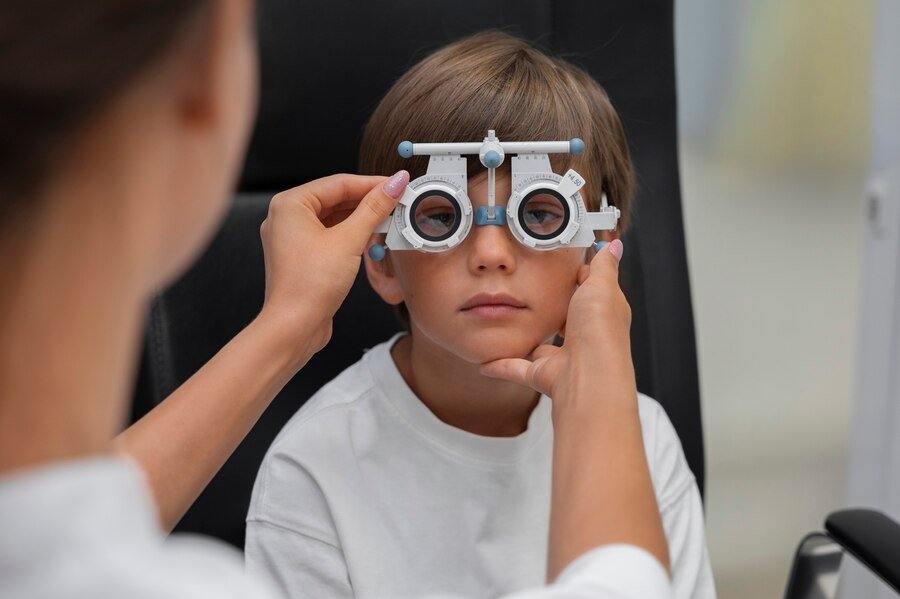
Progressive lenses are also known as multifocal lenses which are used for vision correction. These lenses are designed to help people see near and far-distance objects. For example, it can help you with reading, writing, driving, and different types of tasks. You must know that progressive and multifocal lenses are the same thing and they both work in the same way like trifocals and bifocals do. However, there are no lines in the lenses that can identify the place where the power of prescription changes. Progressive lenses treat different types of vision problems, and people from different age groups may use them. Types of Progressive Lenses There are different types of progressive lenses that eye specialist recommends to patients according to their requirements. One of the most common types of progressive lenses is computer progressive lenses which are also known as near-variable focus lenses. These lenses are perfect for someone who daily works on computers for long hours. Another type is premium progressive lenses which are custom-built according to the needs of a patient. On the other hand, if you are involved in some type of work that forces you to look down continuously then you can consider ground-view progressive lenses. For example, if you are a golfer, you may consider these lenses. If you need a small frame, then you can consider short corridor progressive lenses. Standard progressive lenses and transition progressive lenses are also the common types of lenses that doctor recommends as per patients’ requirements. How to Get Progressive Lenses You must get an eye examination first to check which type of progressive lens you require. The eye specialist will check your eyes and ask different questions related to your medical history to diagnose the eye condition and suggest progressive lenses accordingly. During your eye examination, the doctor will ask you to tell which lenses help you see most clearly which will help to choose the right lens prescription. You may ask the doctor to provide more information regarding the progressive lenses, how you can put them on, and what precautions you have to take while wearing them. Benefits of Progressive Lenses Progressive lenses offer different types of benefits that people who face vision challenges must know. Firstly, having a progressive lens means you only need one pair of glasses to look at further distances. Also, you just need to keep one pair of glasses rather than keeping track of multiple glasses to see near and far objects. Another benefit that you get is that it will not appear that you are wearing some type of lenses. Some children or women may feel embarrassed to wear contact lenses, so getting cosmetic benefits from progressive lenses is a big relief. Furthermore, you will not get eye strain that will help you stay focused and work continuously for long hours. Risks of Progressive Lenses It is also important to know about the risks or disadvantages of progressive lenses. One of the major concerns of many people is these lenses are expensive which may cost more than trifocals and bifocals. However, progressive lenses can prevent you from buying three separate pairs of glasses as they provide you with one solution for your vision. Another drawback that many users consider is the limited options of sizes and shapes. People have different size and shape requirements, so it can be frustrating when you do not get your desired design or shape. Final Words It can take you some time to get used to progressive lenses, but this time can vary from person to person. Some people may take one week to get comfortable with these lenses, while others may take more than that. You need to make the right decisions according to your requirements and let the doctor know your condition during this entire process.

Shopping Cart
Scroll to Top