Uncategorized

Uncategorized

The Man Behind the Lenses: How Dr. Zahid Khan is Changing Vision Care in Pakistan

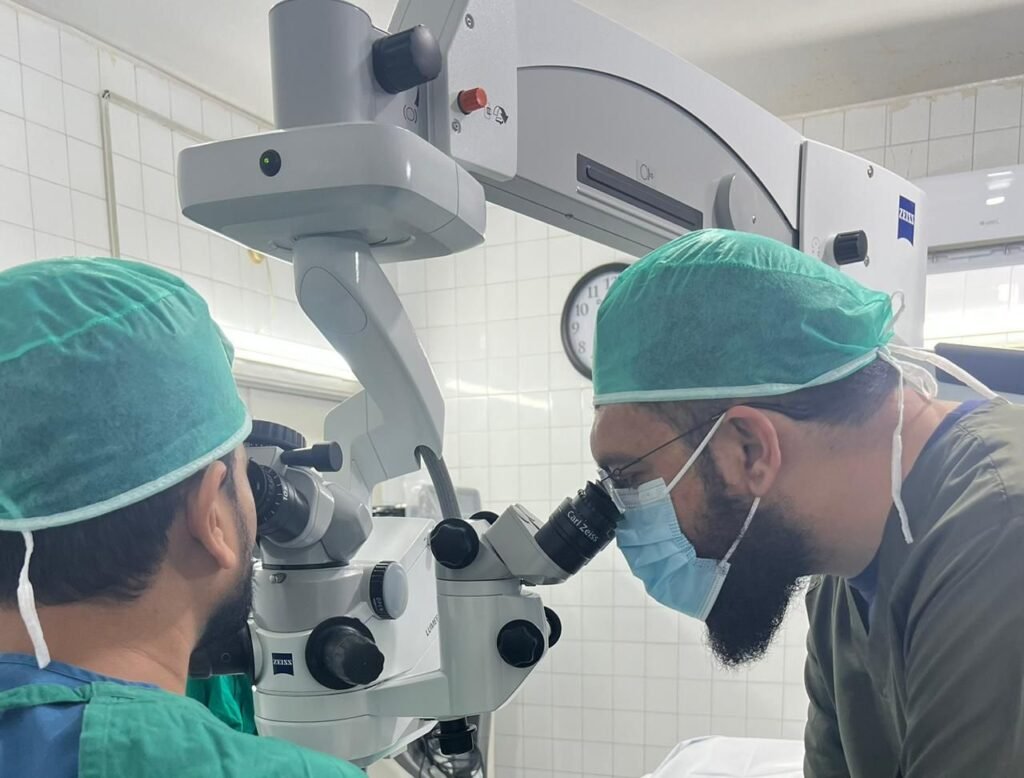
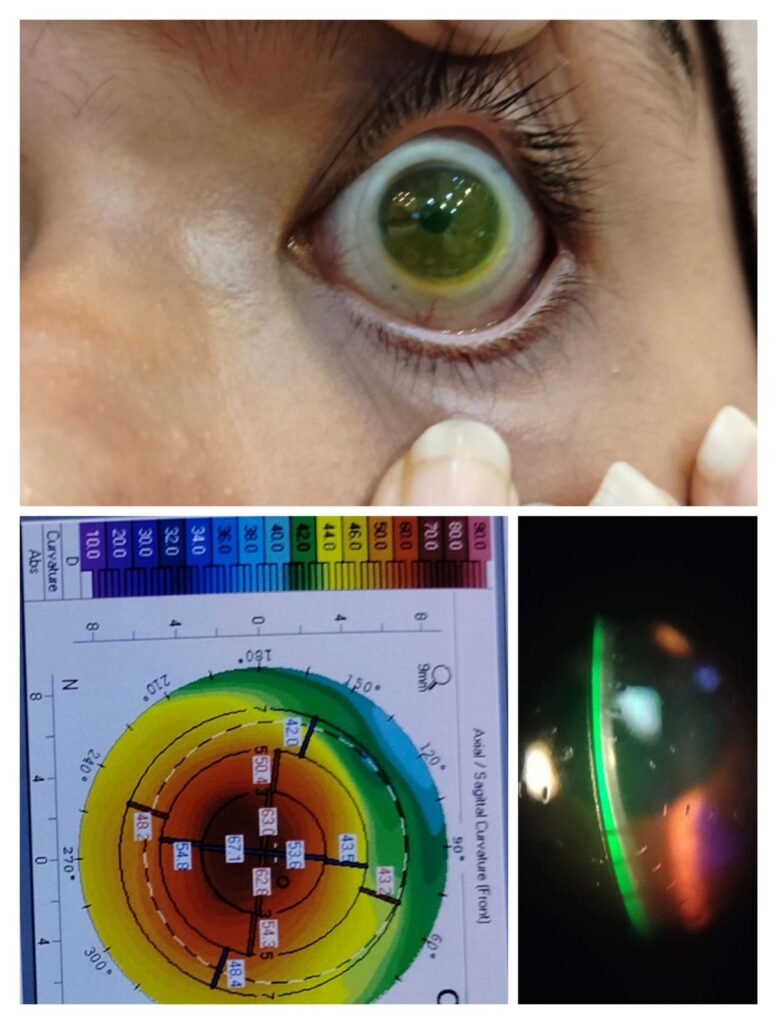
Not every doctor you meet will change the way you see the world. Some do more than correct your vision — they help you feel seen. At Optics Inn, that difference begins with Dr. Zahid Khan. Known across Pakistan for his advanced work with keratoconus and scleral lenses, Dr. Zahid isn’t just one of the top eye care specialists in the country, he’s also a man deeply rooted in compassion, community, and an unwavering belief that everyone deserves the right to see clearly, regardless of their circumstances. From Chitral’s Valleys to Karachi’s Clinics Dr. Zahid’s story begins in the serene and mountainous region of Chitral, nestled in the heart of northern Pakistan. It’s a place of breathtaking beauty, where snowcapped peaks meet green pastures, and life flows quietly in harmony with nature. But for all its beauty, Chitral is also one of the most underserved regions in terms of healthcare, especially when it comes to specialized care like ophthalmology. Growing up in this landscape, Dr. Zahid witnessed a hard truth: people with eye problems often had nowhere to turn. The nearest specialist could be hours — sometimes even days — away. The elderly would resign themselves to blindness. Children would struggle through school with undiagnosed visual problems. Families couldn’t afford the long, expensive trips to city hospitals. “I knew even as a student that one day I had to go back and serve,” says Dr. Zahid. “Because if not me, then who?” Free Eye Camps for the People of Chitral True to his word, Dr. Zahid returns to Chitral regularly, not for rest, but to run free eye care camps — bringing modern ophthalmology to those who need it most. He sets up in local villages, schools, and basic health units — anywhere people can gather. From dawn till dusk, he examines patients, fits them with glasses or specialty lenses, and refers serious cases for further treatment — all without charging a single rupee. In many cases, patients walk from neighboring villages, some trekking for hours through the hills, just to be seen. These are people who have lived in the dark, not because they lack hope, but because they lack access. Dr. Zahid brings the access to them. “They trust me not just because I’m a doctor,” he says, “but because I’m one of them. I speak their language. I understand their struggle. And I care.” Serving Humanity, One Weekend at a Time Dr. Zahid’s generosity doesn’t stop when he returns to Karachi. Every weekend, while most unwind from the week, he partners with nonprofit organizations, welfare hospitals, and community clinics across the city, providing completely free eye care to the underprivileged. Whether it’s at an orphanage, a blind school, or a charity-run health center, you’ll often find him quietly working, one patient at a time. These aren’t publicity stunts or photo ops. There are no banners. Just a doctor with a bag, a table, and a heart for those in need. And the people who visit him in these centers? Many of them haven’t had their eyes checked in years — some, never at all. “When I sit with them, I forget I’m in a clinic,” he says. “I feel like I’m fulfilling the purpose I was meant for.” This quiet service, repeated week after week, has earned him the respect of patients, nonprofits, and healthcare peers alike — not just for his skill, but for his humanity. More Than a Doctor — A Vision Partner At Optics Inn, Dr. Zahid is known for treating complex conditions like keratoconus and post-surgical corneal irregularities. He uses the most advanced tools, from corneal topography to custom scleral lenses, to help patients recover the kind of vision they thought they’d lost forever. But for him, the greatest achievement isn’t the lens fitting. It’s when a patient walks out with dignity restored. He listens. He explains. He stays until all your questions are answered. And he never, ever pushes treatment for the sake of it. Why So Many Trust Dr. Zahid From the hills of Chitral to the heart of Karachi, from Lahore to Dubai and even the UK, patients travel far to see a man who has quietly built a reputation as one of Pakistan’s most trusted and ethical eye specialists. People choose Dr. Zahid because: He genuinely cares about every patient He serves with humility, not ego His advice is honest, even if it means referring you elsewhere His mission is simple: Restore sight, relieve suffering, and serve with heart Optics Inn — Built on Purpose, Not Just Practice Optics Inn isn’t just a clinic — it’s a reflection of everything Dr. Zahid stands for. It’s where modern science meets old-school compassion. It’s where you’re treated like a person, not a file number. And it’s where hundreds have walked in with problems, and walked out with peace of mind. Final Words In a world where healthcare often feels rushed, impersonal, and out of reach, Dr. Zahid Khan is proof that you can still practice medicine with empathy, humility, and purpose. He’s not just fixing vision. He’s changing lives — quietly, consistently, and with a heart full of service. Want to Meet Dr. Zahid? If you’re seeking trusted eye care, need a second opinion, or know someone who can’t afford treatment — reach out. You’re not just booking a consultation. You’re meeting someone who’s made it his life’s work to help people see clearly and live fully.

Uncategorized

Life with Scleral Lenses – Comfort, Care & Real-World Tips

You’ve finally found the right lenses. Vision is clearer. Eyes feel better. But now you’re wondering how to take care of them and how to get the best comfort long-term. We’ve got you covered. If you’ve been fitted with scleral lenses at Optics Inn, or you’re considering them soon, here’s your real-world guide to life with these high-tech lenses. Daily Cleaning: What You Need to Know Scleral lenses need special care, but once you get the hang of it, it’s easy. Every day: 1. Use preservative-free saline to rinse and fill your lenses 2. Clean lenses after use with a recommended solution 3. Store in a clean case with fresh disinfecting solution Avoid tap water at all costs. It can carry bacteria that damage your lenses and your eyes. Comfort Tips from Real Patients Here’s what our patients say works best for all-day comfort: – Hydrate regularly – Use a humidifier in air-conditioned rooms – Take short breaks from screens – Carry artificial tears if your eyes feel dry (preservative-free only) – Keep a backup lens case and solution in your bag when traveling Common Questions We Get Q: Can I wear them all day? A: Yes. Most patients wear them 8 to 14 hours comfortably. If you need a break midday, just clean, refill, and reinsert. Q: Do they hurt? A: No. Once inserted, most people say they can’t even feel them. The fluid layer cushions the eye. Q: What if one falls out? A: It’s rare, but keep a backup kit just in case. We’ll show you how to safely reinsert your lenses anywhere. Pro Tips from Dr. Zahid: “The first few days are a learning curve, but after that, most people say they forget they’re even wearing lenses. Consistency is key. Care for them right, and they’ll take care of you.” Your Vision, Protected for Years to Come Scleral lenses are more than a treatment. They’re a life upgrade. With proper care and follow-up, they can last over a year and deliver consistent clarity, even for the most complex eye conditions. Need help? We’re just one call away. Visit Us: Shop No.3, Plot No. 11-C, 6th Commercial Lane, Phase V Zamzama Commercial Area, DHA Karachi Call: 021-35290400 / 0349 223 9737 Email: zahidkha.opt111@gmail.com Website: https://opticsinn.com Clinic Hours: Mon–Thurs: 12:30 PM – 9:00 PM Fri: 3:00 PM – 9:00 PM Sat: 12:30 PM – 9:00 PM Sunday: Closed

Uncategorized

Early Signs of Keratoconus You Shouldn’t Ignore

You’ve changed your glasses three times this year. Night driving feels like you’re underwater. And no matter how high your prescription goes, things still seem off. At Optics Inn, we hear this story all the time and often, the root cause is keratoconus, an eye condition that goes undiagnosed for years. So today, let’s talk about the early warning signs of keratoconus and why catching it early can save your vision. What is Keratoconus, Exactly? Keratoconus is a progressive condition where the cornea, the clear front part of your eye, becomes thin and starts to bulge outward like a cone. This leads to distorted vision, glare, and frequent changes in prescription. It usually starts in the late teens or early twenties, but early symptoms can appear even sooner. Early Warning Signs to Watch For If you notice any of these, don’t ignore them: – Blurred vision that doesn’t improve with new glasses – Frequent prescription changes, especially every few months – Ghosting or double vision in one eye – Increased sensitivity to light and glare – Halos around lights, especially at night – Eye strain or headaches after reading or screen use – Rubbing your eyes often, especially if you have allergies Many patients assume they just have “bad eyesight.” But when standard glasses or soft lenses stop working, it’s often a sign of keratoconus. Why Early Diagnosis Matters The earlier keratoconus is diagnosed, the easier it is to manage. Delaying treatment can lead to: – Permanent corneal scarring – Vision loss – Potential need for a corneal transplant in severe cases But with early detection, we can use scleral lenses, cross-linking, and other treatments to protect your vision for the long term. What Dr. Zahid Khan Says: “Many people go years without a proper diagnosis. Once we do a corneal scan and start treatment, patients often say, ‘I wish I had known about this earlier.’ That’s why education and early screening are so important.” Get a Painless, 15-Minute Eye Scan At Optics Inn, we use corneal topography to get a high-resolution map of your eyes. No drops, no pain, just precision. If there’s even a hint of keratoconus, we’ll catch it early and guide you through next steps with care and clarity. Visit Us: Shop No.3, Plot No. 11-C, 6th Commercial Lane, Phase V Zamzama Commercial Area, DHA Karachi Call: 021-35290400 / 0349 223 9737 Email: zahidkha.opt111@gmail.com Website: https://opticsinn.com Clinic Hours: Mon–Thurs: 12:30 PM – 9:00 PM Fri: 3:00 PM – 9:00 PM Sat: 12:30 PM – 9:00 PM Sunday: Closed

Uncategorized

Why Your Contact Lenses Always Feel Uncomfortable — And What You Can Do About It

Let’s be real, wearing contact lenses shouldn’t feel like a full-time struggle. Yet, if you constantly feel like your eyes are dry, irritated, or just tired of contacts… you’re definitely not alone. Here at Optics Inn, one of the most common things we hear from new patients is: “I’ve been using contacts for years, but they just don’t feel right anymore.” Sound familiar? Whether it’s your first time with contacts or your fifth brand switch, the discomfort you’re feeling isn’t something you have to just “deal with.” In most cases, it’s not even your fault, it’s the lens. Let’s talk about why that happens, and how to finally fix it. Your Contact Lenses Might Not Actually Fit You This surprises a lot of people — but not all lenses are made for all eyes. Think of it like shoes. Just because you wear a size 9 doesn’t mean every size 9 shoe will feel good. Same goes for lenses. Most soft contacts are mass-produced in “standard” sizes, but your eyes? They’re completely unique. So, if your lenses are: Shifting around too much, Causing random discomfort halfway through the day, or Making your vision feel “off” even after blinking… … it’s very possible they just don’t fit your eye shape properly. The Fix: At Optics Inn, Dr. Zahid Khan uses high-tech corneal topography (think of it like a 3D eye map) to design custom lenses that actually fit your eyes perfectly. Most patients feel the difference instantly — more comfort, more stability, and finally… clear vision that stays clear. You Might Be Dealing with an Underlying Condition (Like Dry Eye or Keratoconus) Here’s something that most people, and sadly, even some eye clinics — overlook. If your eyes are chronically dry, or you’ve been told your “prescription keeps changing,” there might be more going on than just a bad lens. Conditions like: Dry Eye Syndrome Keratoconus Or even minor corneal irregularities … can make wearing regular lenses feel like a nightmare. The Fix: We don’t just give you lenses and send you on your way. Dr. Zahid does a full diagnostic evaluation to understand what’s actually happening with your eyes. And if you’ve got a condition like keratoconus or dryness, we’ll likely recommend scleral lenses, which not only correct your vision, but also keep your eyes hydrated all day long. It’s like putting your eyes in a spa. The Lens Material Might Be Wrong for You Not all lenses are made equal. Some are great at letting oxygen pass through. Others? Not so much. And if your lens material is low-quality or not breathable enough, you’ll start to feel it: Itchiness Redness Tired eyes after just a few hours Sound familiar? The Fix: We only work with premium, oxygen-permeable lens materials, because your eyes need to breathe. It’s that simple. Whether it’s a soft lens or a rigid scleral lens, we make sure it’s the right material for your lifestyle and your eye health. Let’s Talk About Cleaning and Wearing Habits Okay, let’s be honest for a second. Most of us don’t clean our lenses exactly by the book. Maybe you’ve stretched out the wear time a bit. Or maybe your lens case is… let’s say, “well-used.” These small things can lead to: Lens deposits Bacterial buildup Discomfort that gets worse over time The Fix: We keep it simple. We show you how to clean, store, and wear your lenses properly — without the overwhelm. Plus, we’re always just a call away if you have questions later. What Dr. Zahid Says: “A lot of patients come in thinking they just have to live with uncomfortable lenses. But once we get them into the right lens — one that’s made for their eyes, not just off the shelf — it’s a complete 180. They can finally wear lenses all day, comfortably and confidently.” “We’ve helped people who’ve been struggling for years. The key is: Don’t settle for discomfort. There’s always a solution.” Why Patients from All Over Pakistan (and Even Abroad) Come to Optics Inn We’ve had people visit us from: Karachi Lahore Islamabad Peshawar Even the UK and UAE Because once they try custom-fit lenses designed by Dr. Zahid — with honest, expert care — they finally feel the difference. Here’s what sets us apart: 5+ years of specialty lens experience Personalized fittings (we don’t believe in one-size-fits-all) No-pressure advice and complete transparency Real results that change lives   Ready to Finally Feel Comfortable in Your Lenses? If your eyes feel tired, dry, or irritated every time you wear contacts — you don’t have to keep putting up with it. Let’s find a lens that actually works for you. Visit us at: Shop No.3, Plot No. 11-C, 6th Commercial Lane, Phase V Zamzama Commercial Area, DHA Karachi Call: 021-35290400 / 0349 223 9737 Email: zahidkha.opt111@gmail.com Website: https://opticsinn.com Clinic Hours: Mon–Thurs: 12:30 PM – 9:00 PM Fri: 3:00 PM – 9:00 PM Sat: 12:30 PM – 9:00 PM Sunday: Closed

Uncategorized

Scleral Lenses vs. Regular Contacts: What’s the Difference?

If you’ve been wearing contact lenses but still struggle with: Blurry or fluctuating vision Dry, irritated eyes Constant prescription changes Then your lenses might not be the problem — they might just not be the right type. At Optics Inn, we regularly see patients who’ve tried every brand of soft lenses, yet still aren’t satisfied. The solution? In many cases, it’s not switching brands… It’s switching types — from regular contacts to scleral lenses. Let’s help you understand the difference and which option may be better for your eyes. What Are Regular Contact Lenses? Regular contacts are the standard soft lenses most people know. They sit directly on the cornea and are available in daily, biweekly, or monthly formats. They’re great for people with: Mild to moderate nearsightedness or farsightedness Astigmatism Generally healthy, symmetrical corneas But for people with irregular eye shapes or corneal issues, they often don’t offer clear vision or lasting comfort. What Are Scleral Lenses? Scleral lenses are larger, gas-permeable lenses that rest on the sclera (white part of your eye) and vault over the cornea, leaving a protective cushion of liquid underneath. They’re a game-changer for patients with: Keratoconus Severe dry eye Post-LASIK or corneal transplant eyes Irregular or scarred corneas At Optics Inn, we custom-design scleral lenses using advanced corneal topography to ensure a perfect, comfortable fit.     Comparison Chart: Scleral Lenses vs. Regular Contacts Feature Regular Contact Lenses Scleral Lenses Where it rests Directly on the cornea On the sclera (white part of the eye) Eye coverage Covers part of the cornea Covers entire cornea with a fluid-filled vault Comfort level Good for normal eyes Excellent for sensitive or irregular eyes Vision clarity Often inconsistent with irregular corneas Sharp, stable vision even in complex cases Hydration May dry out during the day Maintains moisture under the lens Customization Mostly standard sizing Fully custom-fitted to your unique eye shape Best for Basic vision correction Keratoconus, dry eye, irregular corneas, complex cases What Dr. Zahid Khan Says “I’ve seen patients who’ve spent years switching glasses and contacts with no improvement. Once we fit them with customized scleral lenses, the difference in clarity and comfort is immediate. These lenses often give people their vision — and confidence — back.” Who Should Consider Scleral Lenses? You might benefit from scleral lenses if: Your contacts constantly feel uncomfortable Your vision changes frequently You’ve been diagnosed with keratoconus, dry eye, or have had eye surgery Your glasses or soft lenses just don’t seem to work We often help patients who were told they’d need surgery — and they leave with clear vision through a custom-fit scleral lens instead. What’s the Process at Optics Inn? At Optics Inn, we follow a personalized process: Detailed Eye Exam 3D Corneal Topography Scan Trial Lens Fitting & Comfort Check Custom Lens Design & Delivery Follow-Up & Lens Training You’ll know exactly what’s happening at every step — no guessing, no pressure. Why Patients Choose Optics Inn Whether you’re from: Karachi Lahore Islamabad Peshawar The UK or UAE Patients trust Dr. Zahid Khan for: 5+ years of specialty lens expertise Honest, one-on-one consultations Life-changing vision results Personalized care that feels human Book a Consultation Today Tired of switching contacts that never seem to work? Let’s find the lens that actually fits your eyes and your life. Visit Us: Shop No.3, Plot No. 11-C, 6th Commercial Lane, Phase V Zamzama Commercial Area, DHA Karachi Call: 021-35290400 / 0349 223 9737 Email: zahidkha.opt111@gmail.com Website: https://opticsinn.com Clinic Hours: Mon–Thurs: 12:30 PM to 9:00 PM Fri: 3:00 PM to 9:00 PM Sat: 12:30 PM to 9:00 PM Sunday: Closed

Uncategorized

Can Kids or Teens Get Keratoconus? What Parents Need to Know

If your child’s glasses prescription keeps changing, If they’re squinting more than usual, If they’re complaining about blurry vision, even after getting new lenses… You might be wondering: “Is this normal, or is something else going on?” At Optics Inn, we often meet parents who are surprised to learn that their child or teen has keratoconus, a progressive eye condition that often goes undiagnosed for years. The truth is, Yes, kids and teenagers can absolutely develop keratoconus. And the earlier it’s detected, the better the long-term outcome. Let’s break it down — what you should look for, why it matters, and how we can help. What Exactly Is Keratoconus? Keratoconus is a condition where the cornea (the clear front surface of the eye) becomes thinner and starts to bulge outward into a cone shape. This irregular shape causes: Blurred or distorted vision Increased light sensitivity Frequent changes in prescription Difficulty seeing clearly at night While it often starts in the teens or early 20s, it can begin even earlier, especially in kids with allergies or a habit of rubbing their eyes. Warning Signs in Children and Teens As a parent, here are some red flags to watch out for: “We just got new glasses, but they’re still saying they can’t see clearly.” Complaints of blurry vision, ghosting, or double images Eye rubbing, especially during allergy season Trouble seeing at night or in bright lights Increasing prescription every few months These signs often get written off as “just needing new glasses again,” but they may be the first indicators of keratoconus. Why Early Detection Matters Here’s the thing about keratoconus, it progresses over time. If caught early, it can be managed extremely well, often without surgery or invasive treatment. But if left unchecked, it can lead to: Severe corneal thinning Permanent scarring Need for a corneal transplant in adulthood And no parent wants their child to face that. How We Diagnose It at Optics Inn At Optics Inn, we don’t rely on guesswork. Dr. Zahid Khan uses corneal topography, a painless scan that maps the surface of your child’s eyes in detail. This helps us spot even the earliest signs of keratoconus before it becomes serious. No eye drops, no discomfort. Just fast, accurate testing. What Are the Treatment Options? If your child or teen is diagnosed with keratoconus, don’t panic. There are excellent treatments available, especially when caught early. Scleral Lenses Unlike regular contacts, scleral lenses rest on the white part of the eye and gently vault over the cornea. They: Provide crystal-clear vision Are very comfortable (even for younger users) Help protect the cornea from further damage Dr. Zahid specializes in fitting these lenses, even for complex or sensitive cases. Corneal Cross-Linking (CXL) In some cases, we may recommend CXL, a medical procedure that strengthens the cornea and slows or stops the disease from progressing. The goal is to preserve vision for the long term and prevent the need for surgery later. What Dr. Zahid Says: “Many parents don’t realize how important early detection is. I’ve seen teens come in who’ve been misdiagnosed for years. Once we identify keratoconus and get them into the right lenses or treatment, the results can be life-changing.” FAQs from Parents Q: Can keratoconus be cured? A: Not yet. But it can be managed very effectively with the right care. Many of our young patients live completely normal lives with clear vision. Q: Is it safe for kids to wear scleral lenses? A: Absolutely. With proper training (which we provide), even teens can wear and care for their lenses confidently. Q: My child has allergies and rubs their eyes a lot. Is that a risk? A: Yes. Chronic eye rubbing is strongly linked to keratoconus. Managing allergies and avoiding rubbing is crucial. Why Parents Choose Optics Inn Whether you’re in Karachi, Lahore, Islamabad, or even overseas, families trust Dr. Zahid Khan for: Early and accurate diagnosis Advanced custom lens fitting Honest, pressure-free advice 5+ years of experience treating keratoconus in young patients Book a Screening Today If your child’s vision doesn’t seem quite right, don’t wait. An early screening at Optics Inn could protect their eyesight for years to come. Visit Us: Shop No.3, Plot No. 11-C, 6th Commercial Lane, Phase V Zamzama Commercial Area, DHA Karachi Call: 021-35290400 / 0349 223 9737 Email: zahidkha.opt111@gmail.com Website: https://opticsinn.com Clinic Hours: Mon–Thurs: 12:30 PM – 9:00 PM Fri: 3:00 PM – 9:00 PM Sat: 12:30 PM – 9:00 PM Sunday: Closed

Uncategorized

Can Keratoconus Be Cured? Here’s What the Experts Say

Let’s be honest, if you’ve been diagnosed with keratoconus, the first question that pops into your head is: “Can keratoconus be cured?” We hear this all the time at Optics Inn. And it’s a valid question. The short answer? There is no permanent “cure”… yet. But that doesn’t mean you’re out of options. In fact, today’s advanced treatments can do more than ever to slow the progression, restore your vision, and dramatically improve quality of life. And that’s where Dr. Zahid Khan, one of Pakistan’s leading keratoconus experts, comes in. First—What is Keratoconus, Exactly? Keratoconus is a progressive eye disease where the cornea—the clear, dome-shaped surface of your eye, starts to thin and bulge into a cone shape. This distortion leads to: Blurred vision Light sensitivity Frequent changes in prescription Poor night vision It usually shows up in your teens or early 20s, and without treatment, it can get worse over time. The Myth: “Glasses Will Fix It” Let’s bust a myth real quick. Keratoconus cannot be corrected by regular glasses or soft lenses. Why? Because they’re not designed to handle the irregular shape of the cornea. If you’ve been changing glasses every few months and still can’t see properly—you’re not alone. Many of Dr. Zahid’s patients had the same story before finding the right treatment. The Reality: Keratoconus Can Be Managed (Very Well!) Here’s the good news. With modern treatments, people with keratoconus can regain clear, functional vision and stop the condition from getting worse. Let’s break down your options: Scleral Lenses – A Game-Changer At Optics Inn, Dr. Zahid Khan specializes in scleral contact lenses—and they’re a life-changer for most patients. What makes scleral lenses different? They rest on the white part of the eye (the sclera) and vault over the cornea. This creates a smooth optical surface and provides clear, stable vision. They’re incredibly comfortable—even for people with advanced keratoconus. Dr. Zahid custom-fits these lenses using cutting-edge corneal topography to ensure every lens is tailored exactly to your eye. Corneal Cross-Linking (CXL) While not a cure, Corneal Cross-Linking (CXL) is a medical procedure that can halt the progression of keratoconus. It strengthens the cornea by using UV light and vitamin B2 drops, helping to prevent further thinning. Dr. Zahid often works with patients post-CXL to optimize their vision with scleral lenses. Expert Insight: What Dr. Zahid Says “Keratoconus can’t be ‘cured’ like an infection—but it can be managed so well that patients live normal, active lives. With the right lens design and follow-up, I’ve helped hundreds regain confidence in their vision.” He further adds: “Some patients ask about corneal transplant surgery. But I always explain that while it’s an option in extremely rare cases, it carries significant risks—including high chances of rejection, uncertainty in visual outcomes, and the fact that it’s using a foreign tissue from another person’s body. Unlike scleral lenses, which are safe, reversible, and customized to your unique eyes, transplant is not a first choice—and thankfully, most of our patients don’t need it.” That’s the power of specialized care. Dr. Zahid Khan has successfully fitted hundreds of keratoconus patients across Pakistan, many of whom had been struggling for years before finding Optics Inn. Why Patients from All Over Pakistan Choose Optics Inn 📌 Karachi 📌 Lahore 📌 Islamabad 📌 Peshawar 📌 Even from the UAE and UK! What sets Dr. Zahid apart? 5+ years of experience Custom lens fittings for every patient Honest advice with no pressure One of the most trusted keratoconus specialists in Pakistan Want to Visit Optics Inn? Whether you’re newly diagnosed or have tried multiple treatments that didn’t work, a consultation with Dr. Zahid could change everything. Contact Information: Address: Shop No.3, Plot No. 11-C, 6th Commercial Lane, Phase V, Zamzama Commercial Area, DHA Karachi Phone: 021-35290400 Email: opticsinn21@gmail.com Website: https://opticsinn.com Clinic Hours: Mon–Thurs: 12:30 PM – 9:00 PM Fri: 3:00 PM – 9:00 PM Sat: 12:30 PM – 9:00 PM Sunday: Closed

Uncategorized

Top 5 Signs You May Have Keratoconus (And What to Do About It)

Have you been rubbing your eyes a lot lately? Maybe your vision’s blurry even with glasses? You might think it’s just stress or screen time—but what if it’s something more? Let’s talk about keratoconus. This eye condition often goes undiagnosed in its early stages. In fact, many people in Pakistan, especially in Karachi, live with it for years without knowing. But with awareness—and the right eye care—you can catch it early and treat it effectively. In this post, we’ll break down the top 5 signs of keratoconus, and most importantly, we’ll tell you exactly what to do next. First, What Is Keratoconus? Keratoconus is a progressive eye disease where the cornea thins out and begins to bulge into a cone-like shape. This distorts vision and makes everyday tasks—like reading or driving—difficult. It usually starts in the teens or early 20s, and worsens over time. But here’s the good news: with the right treatment, especially scleral lenses, patients can regain sharp, comfortable vision. So how do you know if you have it?   Top 5 Signs You Might Have Keratoconus Blurry or Distorted Vision – Even with Glasses This is the big red flag. If you’ve changed glasses several times but your vision is still blurry or ghosted, it could be more than just weak eyesight. Keratoconus changes the shape of your cornea, so normal glasses or contact lenses stop working. Light Sensitivity and Glare Do car headlights or bright lights feel too intense at night? Do you see halos or starbursts? That’s not normal—and it’s one of the early symptoms of keratoconus. The irregular cornea bends light unevenly, causing glare and discomfort. Frequent Eye Rubbing Here’s a weird but true fact: chronic eye rubbing can cause keratoconus—and it’s also a symptom of it. Many keratoconus patients have allergies or dry eyes that make them rub their eyes often. But if you find yourself doing it daily, you could be worsening your cornea’s shape. Rapid Changes in Vision Prescription If your optometrist is constantly changing your glasses prescription, that’s a big sign. With keratoconus, your cornea keeps changing shape. So your vision correction needs to keep changing too. That’s not how normal eyesight works. Double Vision or Ghost Images One image should be enough, right? But with keratoconus, you might see double, ghosted, or shadowed images—especially at night or in dim light. It’s not an eye muscle issue; it’s your cornea distorting the image. This is called monocular diplopia, and it’s a common keratoconus symptom. What to Do If You Notice These Symptoms Okay, now you know the signs. But what’s the next step? Don’t panic. Get a proper diagnosis. If you’re in Karachi or anywhere in Pakistan, schedule an evaluation with Dr. Zahid Ali Khan at Optics Inn. He’s one of the country’s top keratoconus specialists with years of experience in: Corneal topography (for precise diagnosis) Custom scleral lenses (for clear, stable vision) Advanced keratoconus management techniques You don’t need to suffer from poor vision when a solution is available. Why Scleral Lenses Are a Game-Changer If you’re diagnosed with keratoconus, one of the best treatments available today is scleral lenses. These are custom-made lenses that vault over your irregular cornea and create a smooth surface for light to enter your eye. This gives you: Clearer vision Less glare and halos Greater comfort Long wear time Protection for your cornea Dr. Zahid Khan at Optics Inn specializes in fitting scleral lenses specifically for keratoconus patients in Pakistan.   Final Thoughts Keratoconus is manageable—but only if you catch it early and get the right treatment. If you’re experiencing any of the signs mentioned above, don’t ignore them. Visit a specialist who truly understands this condition. Dr. Zahid Khan has helped hundreds of patients from Karachi and beyond take control of their vision—and you could be next.

Uncategorized

Scleral Lenses vs. Traditional Contact Lenses: What’s Best for Keratoconus?

If you’ve been diagnosed with keratoconus, your eye doctor may have mentioned two options: traditional contact lenses and scleral lenses. Now you’re wondering—what’s the difference? And more importantly, which one is better for your eyes? Let’s break it down in simple terms, and help you make the best decision—especially if you’re living with keratoconus in Karachi or anywhere in Pakistan. First, What is Keratoconus? Keratoconus is a condition where the cornea (the clear front surface of your eye) becomes thin and bulges into a cone shape. This causes blurred vision, halos, light sensitivity, and frequent prescription changes. In short, the regular shape of your cornea is gone—and that makes it hard for standard contact lenses or glasses to give you clear vision. That’s where specialty lenses come in. Traditional Contact Lenses: The Basics Soft contact lenses are the most common type. They’re thin, flexible, and comfortable. But here’s the thing: they sit directly on your irregular cornea. For someone with keratoconus, this can be a problem. Why soft lenses don’t work well for keratoconus: They mold to your misshapen cornea—so the vision stays blurry. They move around a lot, especially on steep or cone-shaped corneas. They may feel comfortable, but they don’t correct the distortion. Bottom line: Traditional soft lenses are not the ideal solution for moderate to advanced keratoconus.   Scleral Lenses: The Game-Changer Now let’s talk about scleral lenses—the heroes for people with keratoconus. These are larger rigid gas permeable lenses that vault over the cornea and rest on the white part of the eye (the sclera). The space between the lens and your eye is filled with a liquid reservoir, which helps create a smooth surface for light to enter. That means clearer, more stable vision—and no irritation from the cone-shaped cornea. Why scleral lenses are ideal for keratoconus: Superior vision correction – They neutralize the irregular shape of your cornea. Unmatched comfort – The liquid layer between the lens and the eye helps reduce dryness and irritation. Better stability – They don’t move around like soft lenses. Protection – They shield the fragile cornea and reduce damage from rubbing or blinking. But Aren’t Scleral Lenses Hard to Wear? Not really—especially when you get them from an expert. At Optics Inn in Karachi, Dr. Zahid Ali Khan personally fits custom scleral lenses for each patient. With the right fitting, they’re not only comfortable but also life-changing for people struggling with vision. Patients report feeling relief from eye strain, fewer headaches, and finally being able to drive at night or read without frustration.   Scleral Lenses vs. Traditional Contacts – Quick Comparison Feature Traditional Contacts Scleral Lenses Comfort Moderate High Vision Correction Poor for keratoconus Excellent Movement Often unstable Very stable Dryness Can cause dryness Helps prevent dryness Fit One-size-fits-most Custom-made   Real Talk: Which One Should You Choose? If you have mild keratoconus, your doctor might try rigid gas permeable (RGP) lenses or hybrid lenses. But if your condition is moderate to advanced—or if you’ve already tried other options without success—scleral lenses are the best long-term solution. They’re especially recommended by top cornea specialists, and that includes Dr. Zahid Khan—Karachi’s trusted expert in keratoconus treatment.   Want to Try Scleral Lenses in Karachi? If you’re tired of dealing with poor vision, discomfort, or constant prescription changes, this is your sign to take action. At Optics Inn, we provide: Accurate keratoconus diagnosis using corneal topography Expert fitting of scleral lenses Ongoing support and follow-ups Care for patients across Karachi, Pakistan, and beyond Final Thoughts Keratoconus doesn’t have to control your life. With modern solutions like scleral lenses, you can get back to living confidently, comfortably, and clearly. So, if you’re stuck between traditional contact lenses and scleral lenses, the answer is clear—choose the lenses that are built for your condition. And choose a specialist who understands your journey—Dr. Zahid Khan at Optics Inn.

Uncategorized

Why Optics Inn is the First Choice for Keratoconus Patients in Karachi

When it comes to managing keratoconus in Karachi, Optics Inn stands out as the top destination for expert care, advanced treatment, and unmatched patient satisfaction. Led by the highly experienced Dr. Zahid Khan, Optics Inn has earned a reputation as a trusted center of excellence for patients from across Pakistan and beyond. Keratoconus is a progressive eye condition that distorts the cornea, leading to blurred vision, light sensitivity, and, in severe cases, significant vision loss. Early and accurate diagnosis followed by the right treatment is essential. That’s where Optics Inn excels. Dr. Zahid Khan has dedicated years to studying and treating keratoconus using some of the most advanced techniques available. His clinic is equipped with cutting-edge diagnostic tools, including corneal topography, pachymetry, and tear film assessments, ensuring every case is approached with precision. One of the key reasons why patients choose Optics Inn is its specialization in scleral lenses. These custom-made lenses are a game-changer for keratoconus patients. Unlike traditional contact lenses, scleral lenses vault over the cornea and rest on the sclera, offering a smooth surface that significantly improves vision and comfort. Patients report dramatic improvements in their daily lives, whether it’s driving confidently, reading without strain, or returning to work without the visual disturbances that once held them back. Many testimonials highlight Dr. Zahid’s thorough consultations, personal attention, and follow-up care. What truly sets Optics Inn apart is the patient experience. From the moment you walk in, you’re welcomed with care, respect, and professionalism. The clinic’s team ensures every patient feels heard and supported, from diagnosis through to treatment and aftercare. Another major benefit is accessibility. Conveniently located in the Zamzama Commercial Area of DHA Karachi, Optics Inn serves patients from all over the city, and far beyond. In fact, many travel from other provinces or countries after hearing about the clinic’s high success rate and satisfied clientele. If you or a loved one is experiencing symptoms of keratoconus, such as blurry vision, frequent prescription changes, or increased light sensitivity, don’t wait. Early diagnosis and expert care can preserve and even enhance your vision. Trust the clinic where hundreds have regained their clarity and confidence. Trust Dr. Zahid Khan. Trust Optics Inn. 📍 Address: Shop No.3 Plot No. 11-C 6th Commercial Ln, Phase V, Zamzama Commercial Area DHA, Karachi 📞 Phone: 021-35290400 📧 Email: opticsinn21@gmail.com 🌐 Website: https://opticsinn.com/ 🕒 Business Hours: Monday — Thursday: 12:30 PM – 9:00 PM Friday: 3:00 PM – 9:00 PM Saturday: 12:30 PM – 9:00 PM Sunday: Closed

Shopping Cart
Scroll to Top